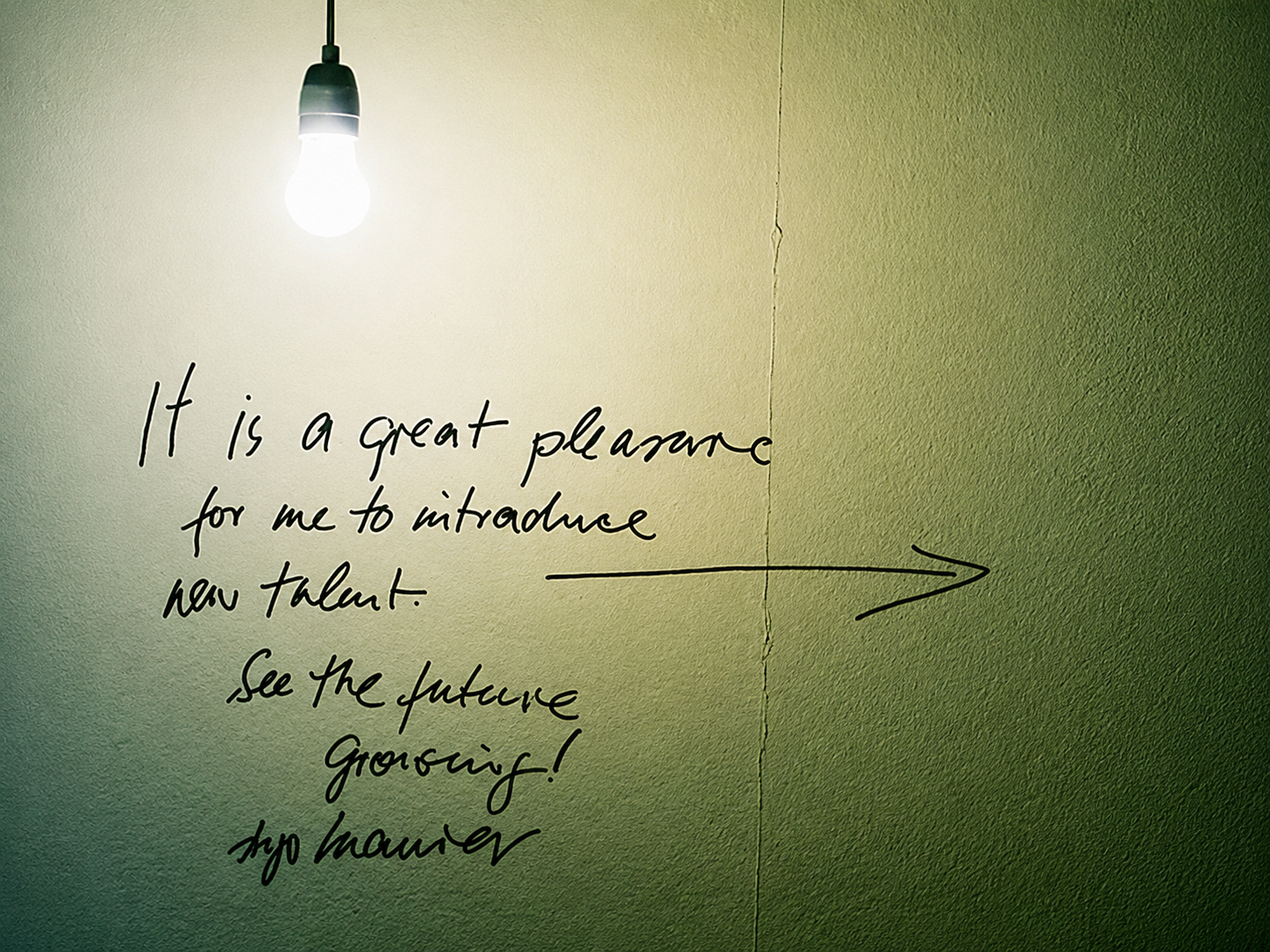
Presented at Centre d’Art Santa Mònica in Barcelona, in parallel with Ingo Maurer’s major exhibition, Reflexus was conceived as a light installation in dialogue with the late German designer’s pioneering use of LED technology, long before it became a mainstream design medium.
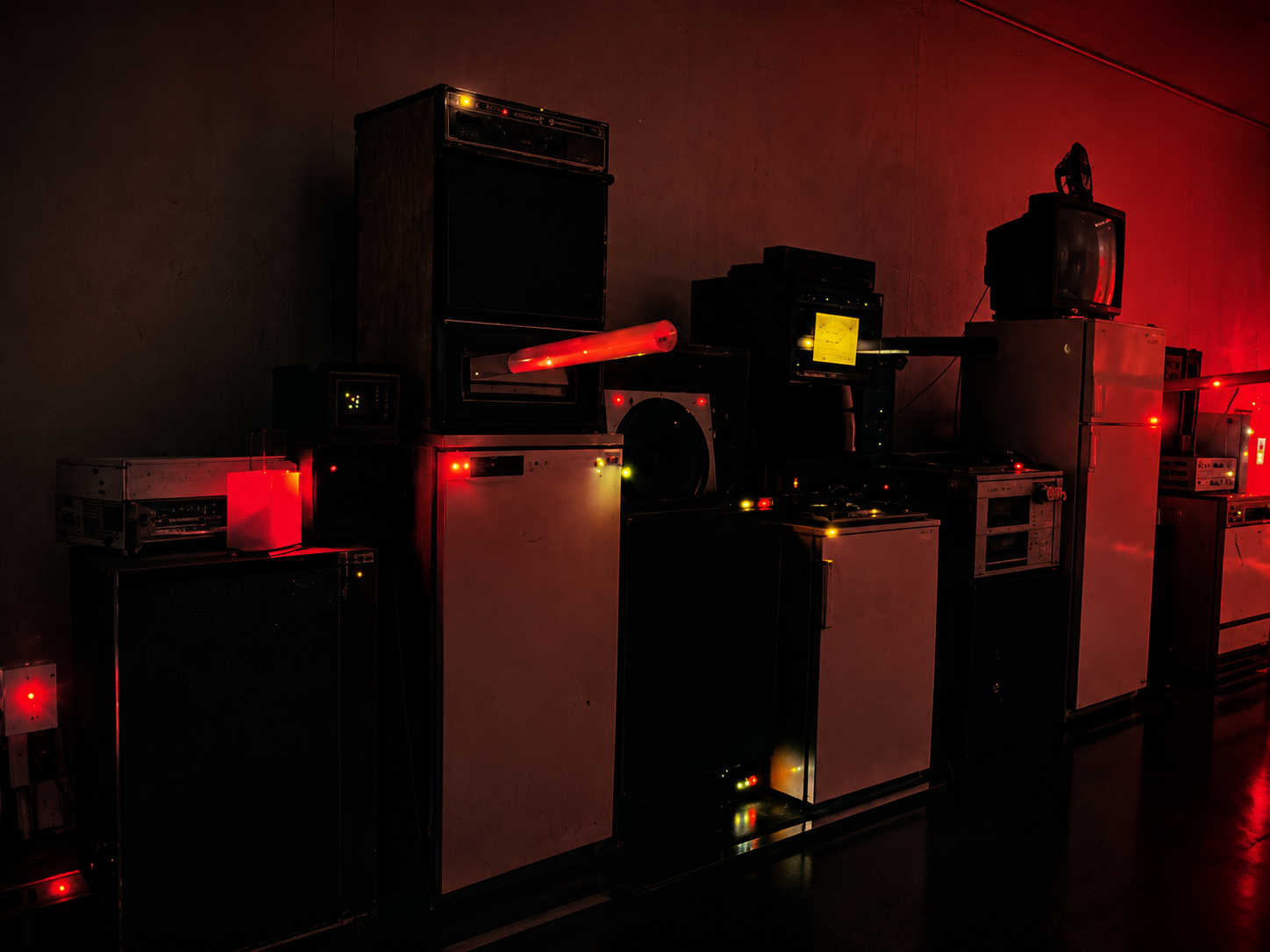
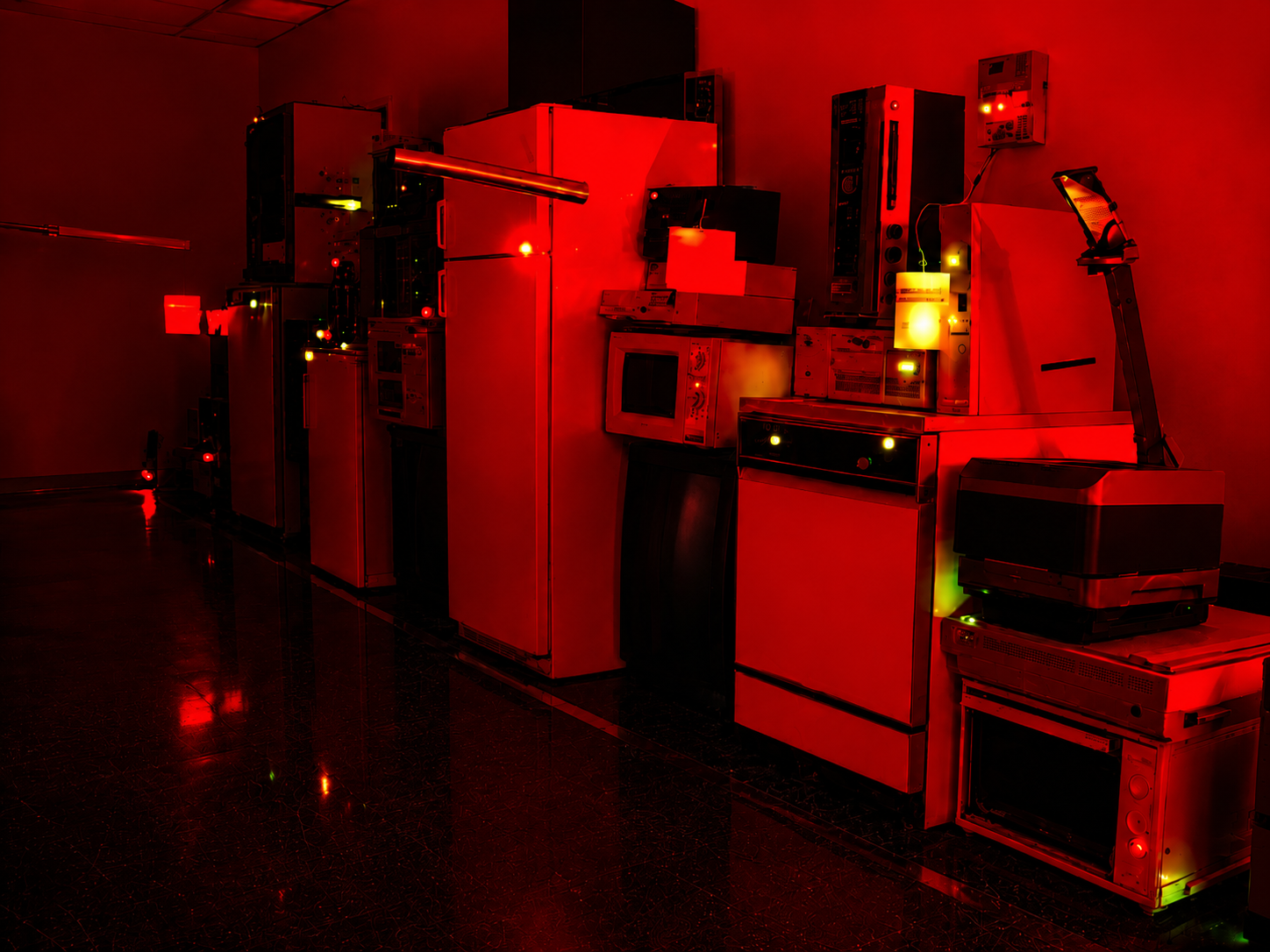
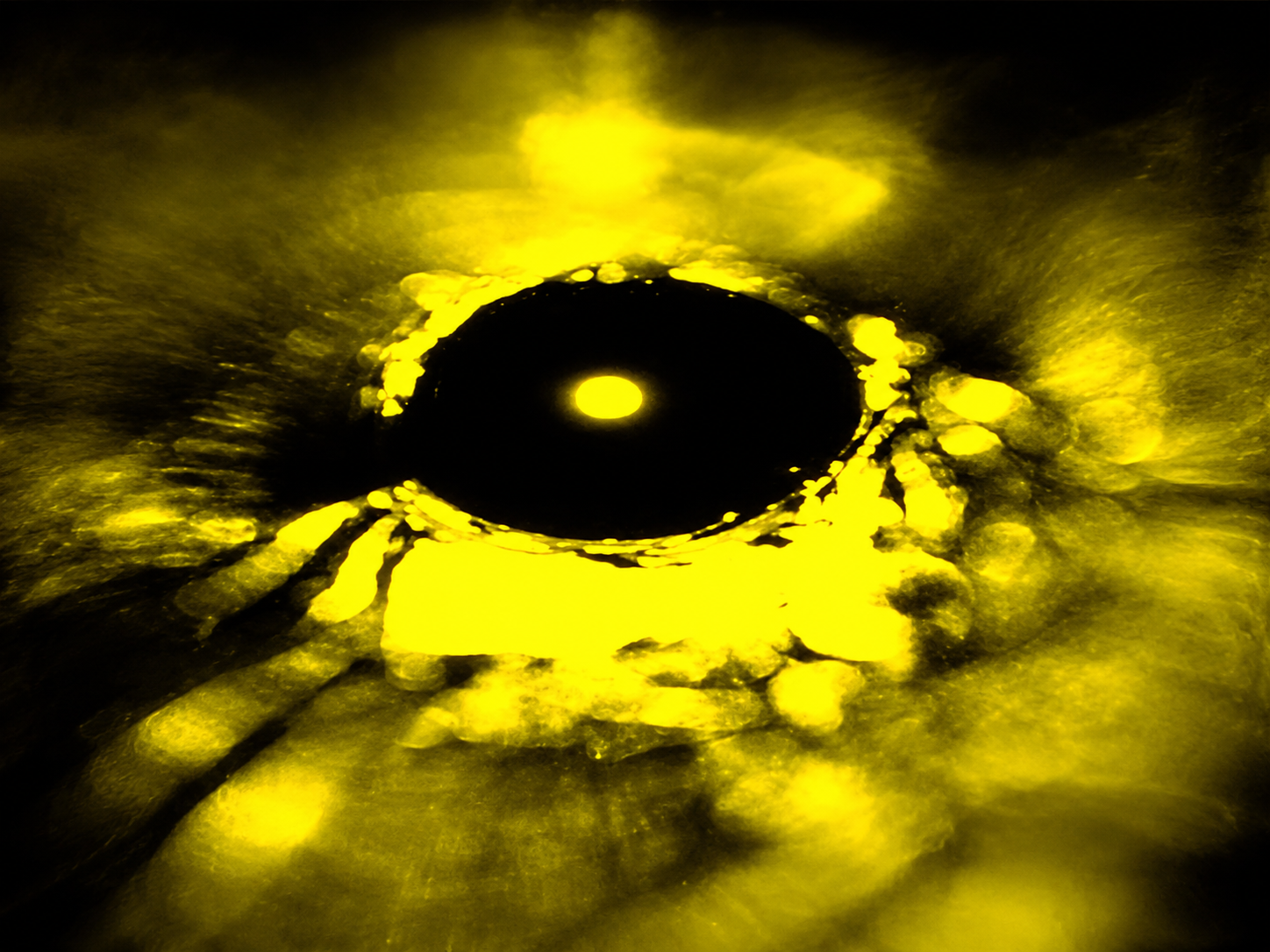
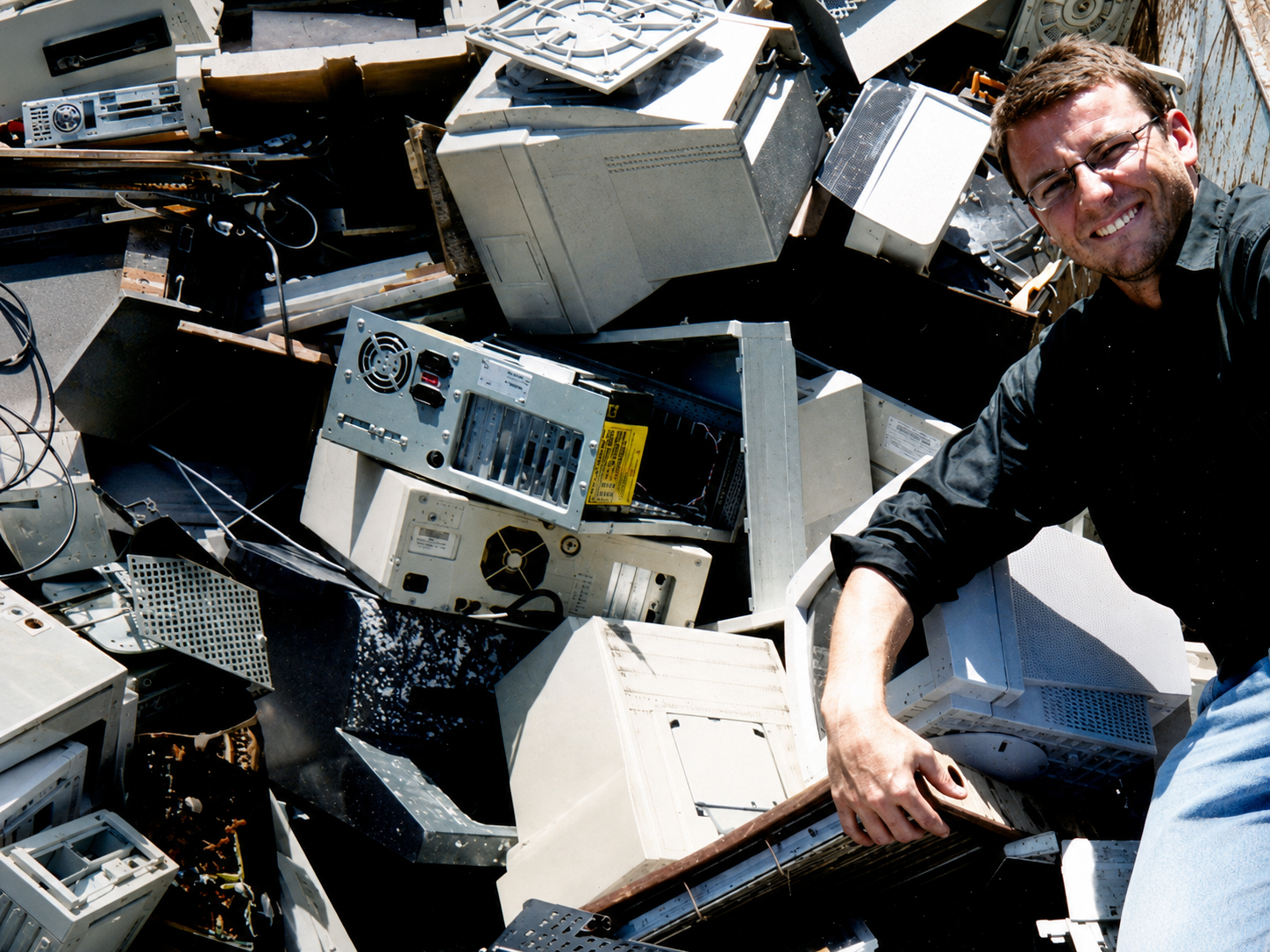
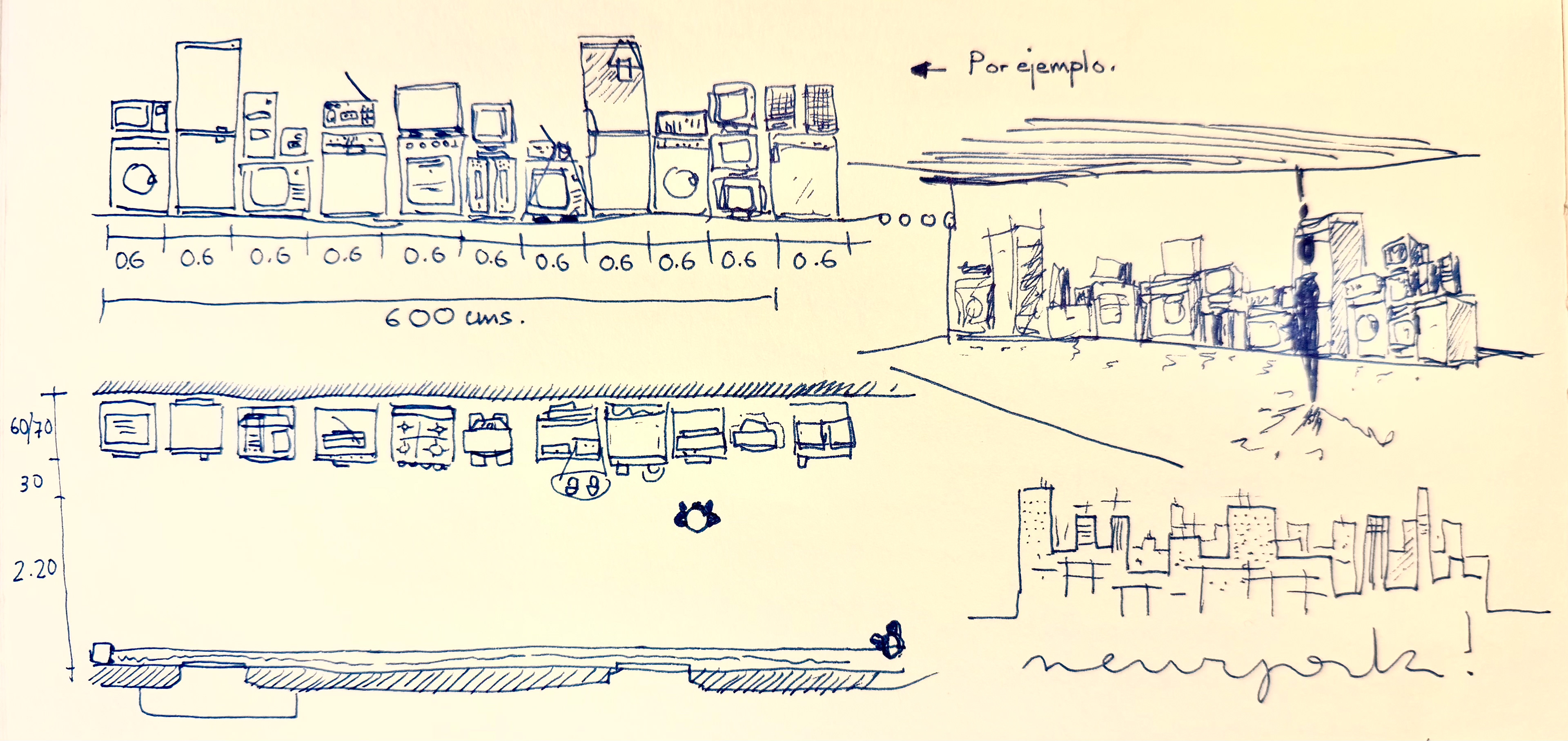
The project assembled a temporary skyline of discarded domestic appliances borrowed from a local municipal waste facility. Reanimated with small LED lights, these obsolete objects were briefly brought back to life, transforming the familiar glow of microwaves, fridges, radios and household devices into an artificial domestic nightscape. Visitors observed the installation through optical devices that produced reflections, distortions and kaleidoscopic effects, revealing the poetic potential of everyday light.
At its core, Reflexus celebrated the overlooked lightscapes that quietly organise domestic life: the small indicators, displays and standby LEDs that allow us to move through darkness without switching on the lights. In one moment, diffusers attached to a microwave created the setting for a romantic dinner by microwave light.
Produced at zero cost, the installation used borrowed waste materials, rechargeable batteries and near-zero electricity consumption. After the exhibition, all appliances were returned to the municipal dump. Developed before carbon neutrality became a dominant architectural concern, Reflexus was an early exercise in low-impact design, temporary reuse and the imaginative transformation of technological obsolescence.